Uncovering common myths about gambling that could cost you big
Uncovering common myths about gambling that could cost you big
Understanding the Odds
One prevalent myth in the gambling world is the belief that certain games offer better odds than others. Many players assume that games like poker or blackjack provide a sure path to winning due to their strategy component. However, the house always has a built-in advantage in every casino game, meaning that while skill can enhance your chances, it cannot eliminate the odds that favor the house. Therefore, understanding this fundamental principle is crucial to making informed decisions. For those looking for a reliable gaming experience, Aud99 could be worth exploring.
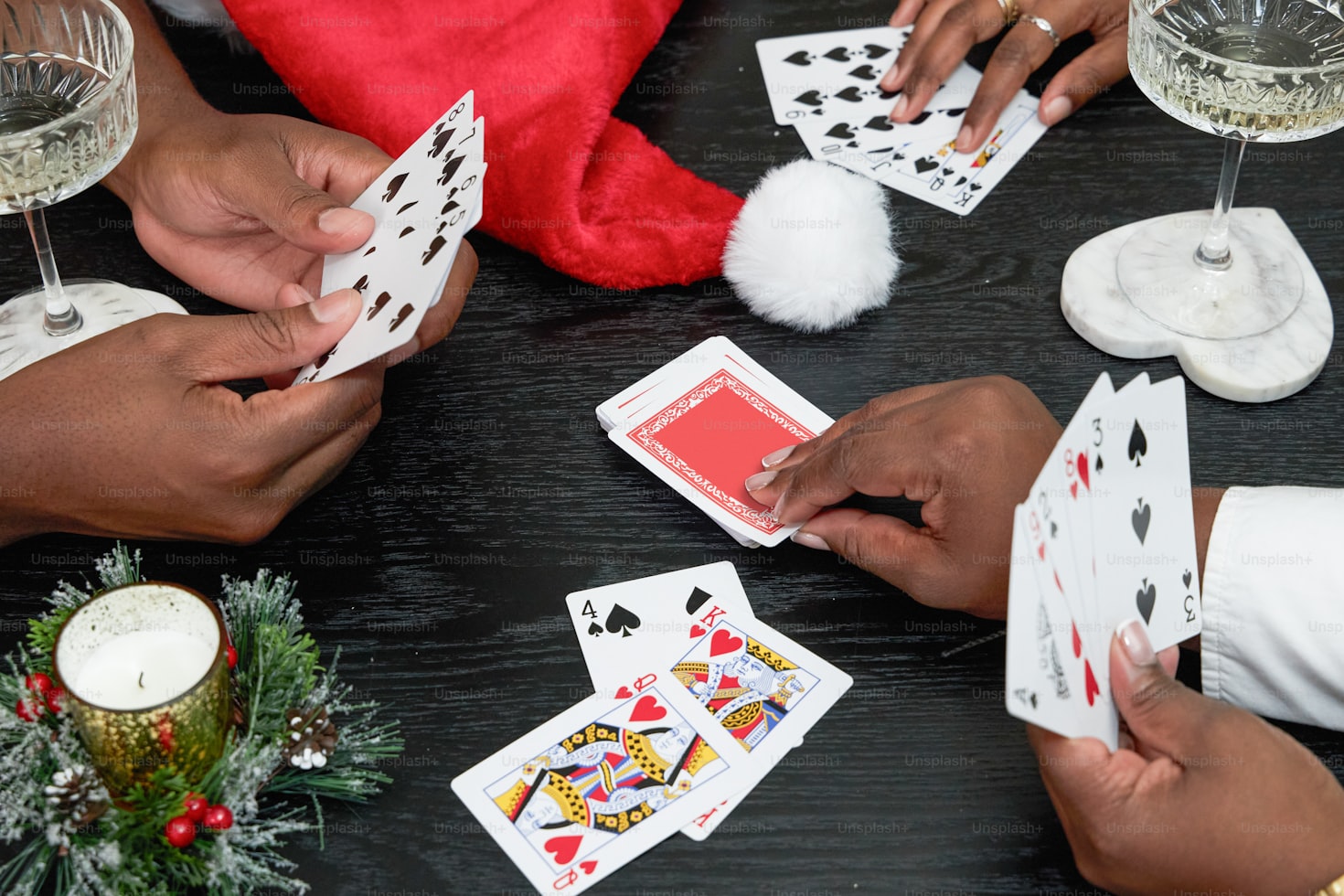
Another misconception is that players can “beat the system” by employing certain strategies or betting patterns. For instance, some gamblers believe that they can predict outcomes based on past results, a fallacy often referred to as the Gambler’s Fallacy. This myth leads players to believe they can influence random events, which, in games of chance, is simply not possible. Awareness of the randomness inherent in most gambling activities can save players from substantial financial losses.
Lastly, many people mistakenly believe that casinos will change the odds of a game based on player behavior. This is simply untrue. The odds in games like slots or roulette are determined by mathematical algorithms and random number generators, which are not influenced by individual players’ actions. Knowing these facts can help gamblers maintain a realistic perspective on their chances of winning, which is vital for a sustainable gambling experience.
The Role of “Hot” and “Cold” Streaks
The idea that a machine or table is “due” for a win is a common misconception that can lead to significant losses. Many gamblers operate under the belief that if a slot machine hasn’t paid out in a while, it’s “hot” and will soon provide a jackpot. In reality, each spin on a slot machine is an independent event, and previous outcomes do not affect future results. This fallacy can entice players to spend more money chasing a payout that may never come.
Similarly, the concept of a “cold” streak can deter players from engaging with a game that they might otherwise enjoy. Some believe that after a series of losses, a game is no longer worth playing. However, the outcomes are still governed by chance, and avoiding a game based on previous results can cause players to miss out on potential winnings. Understanding this randomness can lead to more enjoyable and responsible gambling.
Ultimately, recognizing the true nature of streaks can help gamblers make more rational decisions. Instead of falling prey to the idea of patterns in randomness, players should focus on strategies that manage their bankroll and time effectively. This approach not only maximizes the enjoyment of the game but also minimizes potential losses associated with pursuing mythical “winning streaks.”
The Illusion of Skill in Games of Chance
Many new players enter the gambling scene believing that their skills can significantly impact the outcome of every game. While skill does play a role in games like poker and blackjack, it is important to differentiate between skill-based games and games of pure chance. In games such as slots or roulette, the outcome is entirely random, and no amount of skill can alter this fundamental characteristic. Misunderstanding this can lead players to overestimate their chances of winning and gamble recklessly.
Even in games where skill can make a difference, such as poker, luck still plays an essential role. A highly skilled player can make more informed decisions, but even they are not immune to the vagaries of chance. For example, a player may have the best strategy but still lose due to unfortunate card draws. Recognizing this balance between skill and luck is crucial for any gambler to navigate the gambling landscape intelligently.
Additionally, some players invest in expensive systems and strategies that promise to enhance their winning potential. While learning strategies can improve one’s game, no system can guarantee success. By focusing solely on skill while ignoring the element of chance, players often find themselves making costly mistakes. A balanced approach that acknowledges both skill and luck can lead to a more enjoyable and sustainable gambling experience.
Gambling as a Money-Making Venture
Another widespread myth is that gambling can be a viable source of income or a full-time job. Many stories circulate about individuals winning big and quitting their day jobs to pursue gambling full-time. While it is true that some people can make a profit, these instances are rare and often not sustainable. The reality is that most players will lose money over time due to the house edge inherent in casino games.
Furthermore, viewing gambling as a money-making venture can lead to dangerous habits and addictive behavior. Many players ignore the entertainment aspect and focus solely on winning, which can create unrealistic expectations and financial distress. Understanding that gambling should be treated as a form of entertainment—rather than a financial strategy—can prevent players from falling into a cycle of chasing losses and ultimately jeopardizing their finances.
Additionally, the lifestyle of a professional gambler often comes with significant risks and stress. It requires not only a deep understanding of the games but also a solid financial strategy and discipline. Many people who attempt to gamble professionally encounter instability and financial struggles, leading to mental health challenges. Acknowledging the difference between gambling as a hobby and a potential income source is essential for maintaining a balanced perspective.
Exploring Responsible Gambling Practices
Understanding the myths surrounding gambling is critical for maintaining a healthy relationship with this pastime. Responsible gambling involves setting limits on time and money spent while enjoying the games. Many players believe they can easily control their gambling habits, but the allure of potential winnings can lead to overspending and addiction. Implementing strategies such as budgeting and self-exclusion can mitigate these risks significantly.
Moreover, educating oneself about the games, their odds, and the potential pitfalls is vital. Many casinos and gambling websites provide resources for responsible gambling, including tips on how to gamble safely. Players can benefit from knowing their limits and recognizing the signs of problem gambling early on. This awareness can help preserve both the enjoyment of gaming and one’s financial stability.
Ultimately, fostering a culture of responsible gambling not only benefits individual players but also promotes a healthier gambling environment. Casinos and online platforms can play a significant role by supporting responsible gambling initiatives and providing tools to help players make informed decisions. By focusing on moderation and education, gamblers can enjoy their experiences without falling prey to common myths that could cost them dearly.
Leave a Reply