Why Buying Ammunition in Large Quantities Saves You Money
Stock Up Smart: Your Guide to Buying Bulk Ammo Without Breaking the Bank
Running out of rounds mid-session disrupts focus and inflates per-shot costs, which is why purchasing bulk ammo ensures consistent supply for extended range time. This approach involves buying factory-sealed ammunition .35 Remington Ammo for Sale in large quantities, typically by the case, to lower the price per cartridge and reduce the frequency of reordering. The key benefit is that economies of scale directly cut your shooting expenses, while proper storage in cool, dry conditions preserves reliability over months or years. To maximize value, rotate your stock so you use older boxes first and verify that your firearm’s caliber and grain weight match the bulk purchase.
Why Buying Ammunition in Large Quantities Saves You Money
Buying bulk ammo is the simplest way to slash your per-round cost, because manufacturers and retailers reward larger orders with steeper tiered pricing. When you grab a case of 500 or 1,000 rounds instead of a box of 50, you’re skipping the per-box overhead—packaging, handling, and small-order shipping—which can drop the price by 10–20% instantly. You also lock in a consistent price, shielding yourself from the inevitable price creep that hits single-box purchases between trips. Plus, fewer checkout fees and flat-rate shipping on bulk orders mean more of your money goes toward actual ammunition. Over a year of steady practice, those savings compound fast, letting you train more for the same budget or stockpile deeper without touching your wallet as often. In short, bulk ammo turns a routine expense into a strategic, cost-effective habit.

How Per-Round Costs Drop When You Purchase by the Case
When you purchase by the case, the per-round cost drops because manufacturers and retailers price tiers that reward higher volume with thinner margins. A 20-round box might cost $1.00 per round, but a 500-round case often lands at $0.80–$0.85 per round, simply because packaging, shipping, and handling overhead is spread across 6.5x57R Ammo for Sale far more units. Bulk pricing also avoids the “small-box premium” added to cover restocking and individual shelf placement. Additionally, buying a case means fewer transactions, reducing credit-card fees and freight per item. The savings compound: a $0.15 difference per round on 1,000 rounds equals $150 retained for future training or range fees.
Where to Find the Best Bulk Pricing Per Caliber
To secure the best bulk pricing per caliber, start by comparing dedicated online ammunition retailers like Target Sports USA, SG Ammo, and MidwayUSA, as their bulk sections often break down cost-per-round by caliber. Filter by your specific cartridge—9mm, .223 Remington, or 6.5 Creedmoor—and sort offerings by price-per-round, not total case cost. Then, check manufacturer direct-to-consumer programs (e.g., Federal or Remington) for volume rebates, and cross-reference with AmmoSeek’s caliber-specific aggregator to spot the lowest live listings. Finally, monitor local sporting goods chains for clearance on less popular calibers. Negotiate free shipping thresholds on high-volume orders, as freight can erase savings. Case-lot pricing changes daily, so recheck before every purchase.
- Enter your exact caliber into AmmoSeek and sort by “price per round” with bulk filters locked.
- Open three retailer tabs, then compare same-brand, same-grain loads for that caliber.
- Add to cart and test if a case (500+ rounds) drops the per-round cost below single-box rates.
Calculating Your True Savings Versus Box-by-Box Shopping
To calculate true savings against box-by-box shopping, divide the bulk order’s total cost, including shipping and any hazmat fees, by the number of rounds to get your per-round price. Then compare this to the 6.5x57mm Mauser Ammo for Sale per-round price of individual boxes at your local store, factoring in sales tax and fuel spent on repeated trips. The real saving is the difference multiplied by your total round count, but you must subtract storage costs and the cash tied up upfront. Only bulk purchases exceeding a threshold—typically 500 rounds—yield a meaningful margin over single boxes.

What to Look for in a Large-Volume Ammunition Order
When placing a bulk ammo order, scrutinize the **lot number and manufacturing date** to ensure you aren’t buying aged stock that could have inconsistent primers or powder burn rates. Check the **seal integrity of the outer case**—torn or resealed boxes often mask moisture exposure or mixed headstamps, which can ruin a range session. Verify the projectile weight and type match your firearm’s twist rate and intended use; a single mislabeled batch in a large order means hundreds of wasted rounds. Chronograph a small sample before trusting the full lot, because velocity variance in bulk ammo can exceed factory specs by 15%. Finally, confirm the primer type—hard military-style primers 6.8 SPC Ammo for Sale will cause light strikes in tuned triggers. A reliable vendor will provide these details upfront, not after you’ve committed to a pallet.
Matching Grain Weight and Bullet Type to Your Firearm’s Needs
When buying bulk ammo, matching grain weight to your firearm’s needs starts with your barrel’s twist rate—a 1:7 twist stabilizes heavier bullets, while a 1:12 prefers lighter ones. For your bolt gun used at distance, stick to 140–175 grain projectiles; for a 9mm pistol, 115–124 grain loads cycle reliably and keep recoil snappy. Bullet type matters just as much: full metal jacket for cheap range plinking, hollow points for defensive carry, and soft points for hunting in the field. Buying 1,000 rounds of the wrong bullet type means burning cash on ammo your gun will never optimally use. Ultimately, check your manual’s recommended range, then order the correct grain weight for your firearm’s needs to avoid feeding issues and wasted accuracy.
Recognizing Quality Control Marks on Factory-Sealed Cases

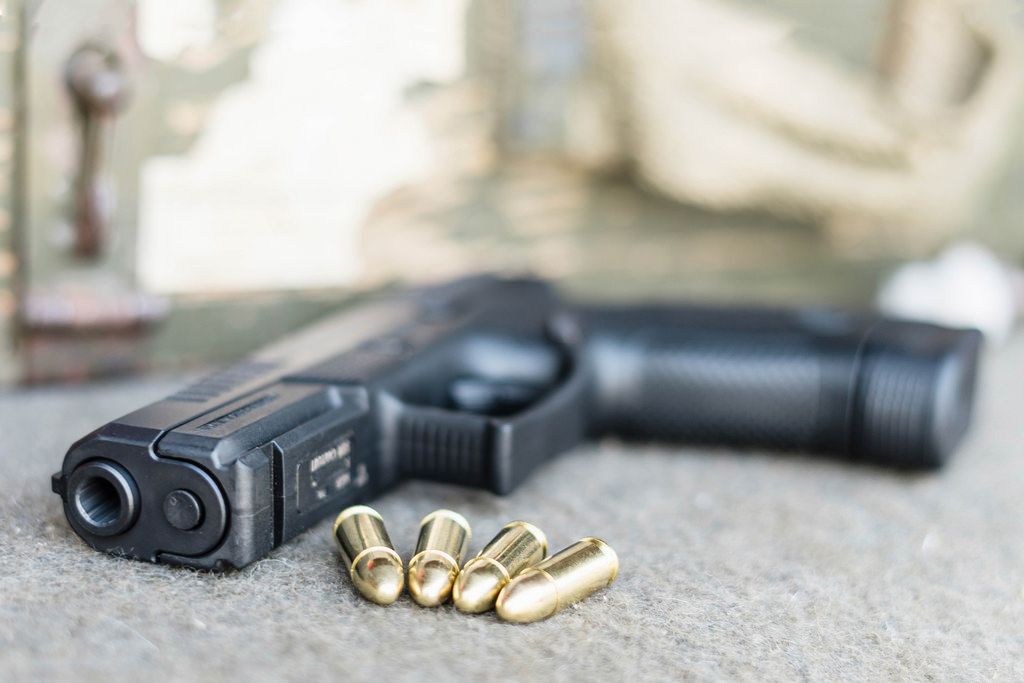
When your bulk ammo order arrives, skip the excitement and inspect the factory-sealed cases first. Look for a lot number stamped or printed on the carton—this should match the headstamp data on the boxes inside, proving a single, traceable production run. Check for a distinct QC sticker or inkjet code with a date and plant identifier; inconsistencies here signal possible repackaging. Feel the case’s seal—it should be taut, with no peeling or re-taping. Also, verify the primer sealant color on the loaded rounds matches the manufacturer’s standard for that lot. A uniform, crisp mark means you’re getting pristine, factory-verified rounds, not a blended mishmash.
New Manufactured, Remanufactured, or Surplus: Which Is Right for You
For large-volume orders, deciding between new manufactured, remanufactured, or surplus ammunition hinges on your intended use and tolerance for variability. New rounds offer maximum consistency in headspace, powder charge, and bullet seating—ideal for precision work or duty carry, though at the highest cost. Remanufactured loads, assembled from once-fired brass with fresh primers and projectiles, deliver near-new reliability at roughly 20–30% less, but require you to verify the processor’s quality-control steps, such as case gauging and pull-testing. Surplus ammo is the cheapest per round, but it demands scrutiny of storage conditions, sealant integrity, and lot uniformity; you may encounter corroded primers or mixed headstamps. For bulk practice 6.5×55 Swedish Ammo for Sale or high-volume drills, remanufactured balances economy and trust, whereas surplus fits budget plinking if you accept occasional malfunctions. If your firearm is finicky, stick with new.
How to Store and Organize a Large Stockpile at Home
For a bulk ammo stockpile, prioritize climate-controlled storage—keep the area below 70°F with under 40% humidity to prevent corrosion and powder degradation. Use military-surplus ammo cans with rubber gaskets, adding desiccant packs inside; label each can by caliber, grain weight, and lot number on the lid and side. Organize by rotation system: place newer purchases behind older ones, and log every box in a spreadsheet with purchase date and round count. Stack cans on heavy-duty metal shelving, off the concrete floor to avoid moisture wicking, and never exceed the shelf’s rated load—distribute weight evenly to prevent structural collapse. Store primers and powder separately from loaded rounds, ideally in a locked, fire-resistant safe. Inventory quarterly, checking for primer discoloration or loose bullets, and re-seal opened boxes with tape. Keep a written map of what’s where, so you grab the right caliber without digging through the entire pile.
Choosing the Right Ammo Cans and Moisture Barriers for Long-Term Keeping
For bulk ammo, the container is your first line of defense, and selecting military-surplus metal cans with rubber gaskets is non-negotiable for long-term keeping. These seal out humidity far better than plastic, which can warp or crack over decades. Pair every can with a reusable silica gel desiccant pack, not cheap loose beads, and recharge it yearly. Before sealing, wipe each round with a dry cloth to remove salts that attract moisture. Adding a thin VCI (vapor corrosion inhibitor) emitter inside creates a micro-climate that neutralizes rust on brass and primers.
- Test the gasket fit by closing the lid and feeling for a slight vacuum resistance when opening.
- Use desiccants with color-change indicators so you can spot saturation at a glance.
- Stack cans off concrete floors on wooden pallets to prevent temperature-driven condensation from underneath.
Rotating Your Inventory to Keep Older Rounds Fresh First
For bulk ammo storage, rotating your inventory to keep older rounds fresh first is non-negotiable. Always place newly purchased boxes behind existing stock on the shelf, so you reach for the oldest ammunition first. Use a permanent marker to write the purchase date or lot number on each case’s end flap—this eliminates guesswork. During your monthly inventory check, physically shift front-row .338 Lapua Ammo for Sale boxes to the back and then restock the front with newer batches. This ensures no round sits for years past its useful life, and you avoid mixing dissimilar lots that could affect point-of-impact consistency. Rotate by handling, not just label-reading, every time you add to your stockpile.
- Mark every box with date and lot before shelving
- Pull from the front, restock from the rear
- Re-sort at each inventory check, not just when adding
- Condense partially opened boxes into one labeled container first
Stacking and Labeling Methods for Quick Caliber Identification
For quick caliber identification, ditch the mixed bins and build a simple stacking system using modular, clear plastic ammo cans or stackable MTM cases. Label the **top and front** of every container immediately, using a label maker or bold paint pen, writing the caliber in large letters plus a color-coded dot (e.g., red for 9mm, blue for .223). Stack by caliber family—pistol rounds on lower shelves for weight, rifle rounds above—and never stack more than five cans high to keep labels visible. For loose bulk, use one labeled tray per caliber inside a bigger tote, marking the tray edges so you can spot the right load without pulling lids.
Smart Tips for Buying in Bulk Without Wasting Money
To avoid wasting money on bulk ammo, calculate your true cost-per-round including shipping and taxes, then compare it against local prices to confirm real savings. Buying more only saves if you will actually shoot it, so resist massive quantities of a caliber you rarely use. Stick to common, stable calibers like 9mm or .223 that hold resale value and remain in demand. Rotate your stock using a first-in, first-out system so older ammunition gets used before corrosion or primer degradation becomes an issue. Split large orders with shooting buddies to hit free-shipping thresholds without over-committing funds. Track your average monthly .32 Win Special Ammo for Sale usage for six months and cap bulk purchases at a six-to-nine month supply.
Never buy “too good to pass up” lot quantities without verifying the manufacturing date and storage history from the seller.
Finally, avoid reloading-specific components in bulk unless you already have a verified, consistent recipe that your firearm likes.
Estimating Your Monthly Round Count Before You Commit
Before buying bulk ammo, calculate your true monthly round count by averaging three months of range logs, not your best weekend. Divide your annual training budget by current per-round cost, then subtract 10% for malfunction drills or .32 ACP Ammo for Sale sight-ins. For example, if you shoot 200 rounds monthly at a defensive class plus 50 in practice, commit to a 500-round case—not 1,000—to avoid overstocking humidity-sensitive primers. Unless you reload, unused factory ammo degrades in storage long before the price savings justify it. Track dry-fire reps separately, as they don’t consume inventory. Adjust your estimate upward only if you’ve added a new firearm or competition schedule, then retest for two months. A precise number prevents both shortages and surplus.
Testing a Small Sample Lot Before Purchasing a Full Case
Before you drop cash on a full case, grab a single box or two from that same lot number and run them through your firearm. Ammo can vary subtly between production runs, so a small sample lets you confirm reliable feeding, extraction, and consistent accuracy before committing to bulk ammo. Shoot enough to test different magazines and maybe a dirty gun, not just one tight group. If the sample shows popped primers or wild velocity swings, you just saved yourself a headache. Testing a small sample lot before purchasing a full case is your cheapest insurance policy.
**Q: How many rounds should I test from a sample lot before buying a full case?**
A: At least 50, but 100 is better — that covers multiple mags and gives you a real feel for how the ammo behaves when your gun gets warm or dirty.
Avoiding Common Oversights Like Mismatched Primer Types or Casing Materials
When stocking up on bulk ammo, a critical oversight is assuming all primer types are interchangeable across your firearms. A box of berdan-primed surplus may be dirt cheap, but reloading those cases becomes a logistical nightmare, rendering your “savings” useless. Likewise, casing material matters: steel cases can wear extractors faster and may be banned at certain indoor ranges, while aluminum cases sometimes fail to re-chamber after slight deformation. Always verify the primer style—Boxer versus Berdan—and casing composition against your specific rifle’s tolerances before committing to a case lot. A mismatched purchase means either forcing incompatible rounds or abandoning them entirely. Avoid mismatched bulk ammo by cross-checking primer type and casing material on the manufacturer’s spec sheet before checkout.
Always confirm primer type (Boxer vs. Berdan) and casing material (brass, steel, or aluminum) match your firearm’s chamber and reloading needs—otherwise, your bulk deal becomes a costly paperweight.
Practical Ways to Use Large Ammunition Reserves Effectively
To use large ammunition reserves effectively, rotate your stock by shooting the oldest lot first, keeping a meticulous log of headstamps and purchase dates to prevent age-related primer degradation. For bulk ammo, dedicate a portion of your reserve to function-testing every magazine you own, identifying weak springs or feed ramp issues without depleting your primary defensive loads. Another practical method is to set aside a bulk ammo “training block” for high-volume drills—transitional reloads, malfunction clearance, and recoil control—where round count matters more than precision. Finally, separate your reserve into labeled containers by firearm platform; this prevents cross-compatibility errors and lets you track which gun consumes which lot, ensuring your large ammunition reserves stay fresh, reliable, and ready https://specialtysportsandsupplyltd.com/ for sustained practice sessions.
Splitting a Case Across Multiple Shooters to Lower Group Cost
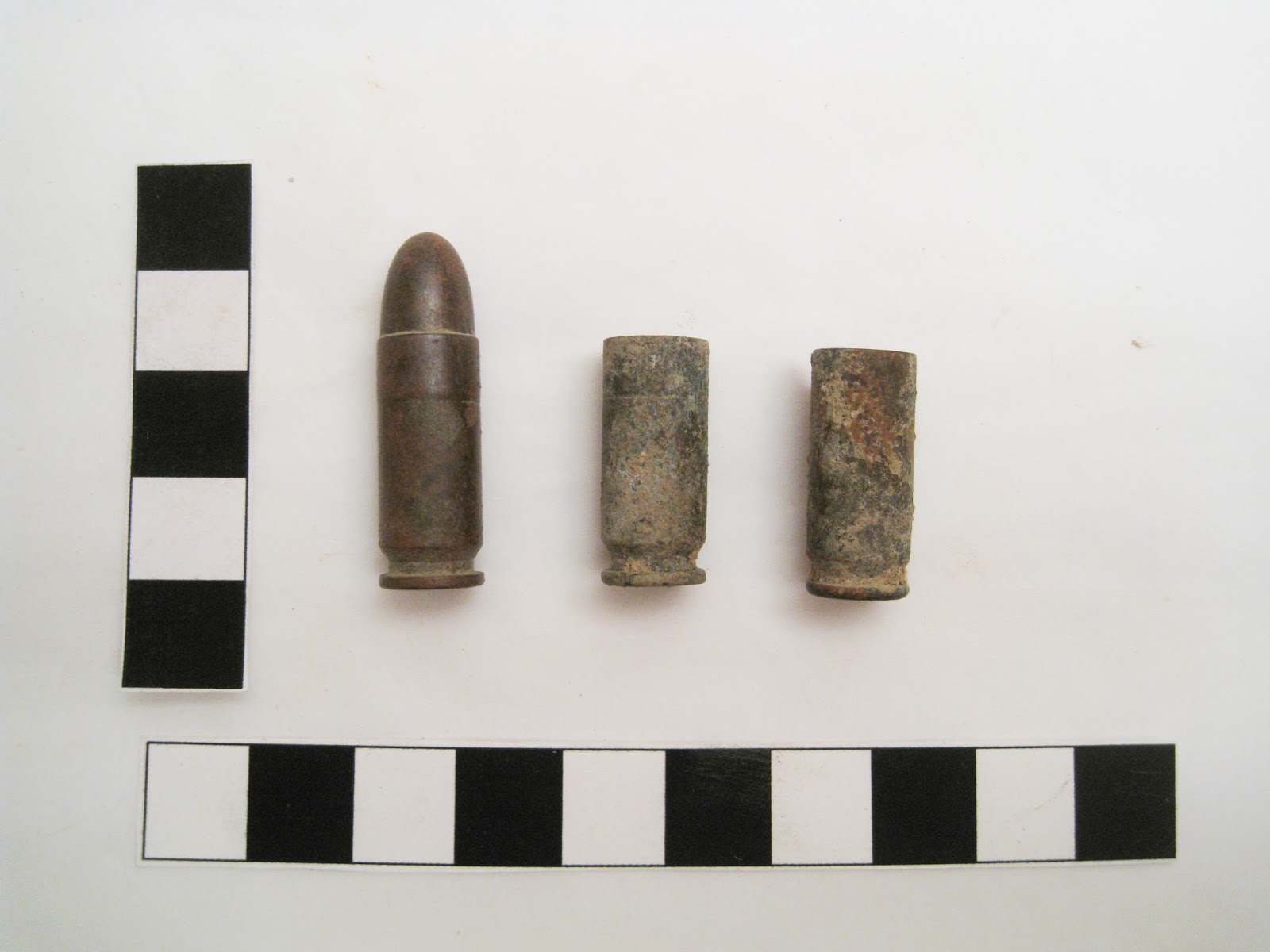
Splitting a case across multiple shooters directly reduces the per-person financial outlay for bulk ammo, since freight and hazmat fees are divided among all participants. By pooling a 1,000-round case among four shooters, each pays only for their 250-round share plus a fraction of shipping, making high-volume practice significantly cheaper per session. This approach works best when each shooter uses the same caliber and grain weight, but it requires clear bookkeeping on ammunition lot numbers for accurate accuracy tracking. Splitting a case across multiple shooters to lower group cost also encourages bulk purchasing for those who would otherwise not meet minimum order thresholds.
Q: What is the simplest way to divide a case fairly?
A: Weigh or count rounds per box at the range, then split equally by round count; reimburse the buyer for shipping and hazmat within the group.
Setting Aside Dedicated Rounds for Practice, Competition, and Self-Defense
When you buy bulk ammo, don’t just mix everything into one bucket. Setting aside dedicated rounds for practice, competition, and self-defense keeps your shooting life organized and safe. Practice rounds can be cheaper, reloaded stuff or steel-case—fine for plinking and drills. Competition rounds should be consistent, match-grade or at least the same lot, so your point of aim doesn’t shift. Self-defense rounds stay sealed in their original boxes, untouched, and verified to feed reliably in your carry gun. This separation means you never burn through your defense stash during a fun range day, and you always know what you’re grabbing. It’s a simple habit that saves money and headaches.
Q: Should I use the same bulk ammo for practice and self-defense? A: No—practice with cheap stuff, but keep your defensive rounds separate and tested, so you trust them when it counts.
Tracking Your Remaining Supply with a Simple Log or Spreadsheet
Tracking your remaining supply begins with a simple log or spreadsheet that records each caliber, purchase date, and round count. Update it immediately after every range session or storage withdrawal, noting the exact number fired and the new total. For bulk ammo, organize entries by lot number to rotate older stock first, preventing degradation. A basic sequence involves recording initial inventory, subtracting used rounds, and reconciling the count against physical stock monthly. This method highlights consumption patterns, revealing which calibers drain fastest. Use columns Ammunition for Sale for price per round and resupply dates to predict when reordering becomes necessary. Accurate bulk ammo inventory tracking ensures you never face a surprise shortage during practice or preparation.